I love Eclipse. Not just the IDE, but the whole community and philosophy of it. There are no shortage of folks who will tell you how they hate Eclipse. For a change I’d like to tell you why I love Eclipse.
Polyglot IDE – Eclipse IDE is really great because you can use the same open environment for multiple languages. Java, Python and C are three of our staple languages and I often end up using them in combinations. Eclipse understands each of these really, really well and allows for some powerful integrations. There’s no place I’d rather run some Python on a target processor while debugging a Linux kernel.
Determined developers – with all its functionality and extensibility maximising the power of Eclipse is pretty hard. The people in the community who do use Eclipse and master its complexity are full of grit; problem-solvers who won’t give up on their end goals easily. As a result, it’s a great community to be part of.
Continuous evolution – early on in my career I worked with hardware, then I switched to software and today work involves keeping up with several different technologies. Likewise, over the years Eclipse has evolved a lot. Early on it was just an IDE, then a rich-client framework and today it features many thriving working groups growing in areas like IoT. Adapting and learning can be quite a journey, so it’s great to have a community along for the ride.
A new project proposal from the Eclipse Science Working Group (SWG) goes live. Project January aims to provide a set of standardized Java-based numerical data structures for scientific computing. Scientific tools are rapidly scaling to meet the increasing demands of the user both in sheer volumes of data as well as complexity. Back at a site meeting in Trondheim, the SWG members agreed a generic dataset that would promote tool integration was one of the key priorities of the group. In the short-term, this looks a lot like “numpy for Java”. That in itself is a pretty big deal, but the future plans are equally exciting, check out the proposal here.
As for the name, project January works on many levels. Besides being the month the project proposal goes live, it is also an acronym: JAva NUmerical ARraYs :-). The month January is named after the Roman god Janus, god of new beginnings and doorways. Project January is a foundational building block of scientific computing and certainly a doorway to greater collaboration and tool integration within the Eclipse community and beyond.
Before 2016 all I really knew about Java 9 was that it would have project Jigsaw for modularity and that it would be late. A London Java Community meetup gave me an excellent excuse to pay more attention to Java 9 and think more on the whole concept of modularity in general.
Java 9 will be modular, hooray! And there will be a new linker tool jlink to allow you build a streamlined custom image of the JDK. Using this to run Eclipse on a custom Java 9 image resulted in a 40% size reduction. And that still included Swing & AWT, so the full benefits may be yet to come as application developers can start to take advantage of this new underlying modularity.
OSGi & Jigsaw are both frameworks that facilitate modularity in Java, so have plenty in common, but some major differences. The most significant are basically features that OSGi has that Jigsaw lacks, namely versioning, dynamic modules and a service registry. By all appearances, Jigsaw is going for appearance of simplicity at the cost of functionality and complexity down the line. With no compelling reasons to switch, I will happily stick with OSGi and bet on the fact there are enough folks out there who will figure out how to get them working together.
Jigsaw doesn’t make code more modular, developers make code more modular. As Alex points out in his slides, modularity is hard. Frameworks like Jigsaw and OSGi make it easier, but there is still alot to be done on our own codebases. I know from experience, even OSGi users may sometimes have delusions of modularity – lots & lots of bundles which still, in practice, amount to a monolithic application. A notable amount of work we do is just that: understanding the essence of what each bundle should be then distilling it down by reworking it and removing bad dependencies so code can be reused in multiple forms with minimal dependencies.
So don’t wait for promises of Jigsaw to make your code more modular. Start now. Use OSGi. And don’t see it as a one-off thing. Actively developed code doesn’t stay modular for long. Review often. Modularity in Java is not a framework, it’s a habit to cultivate.
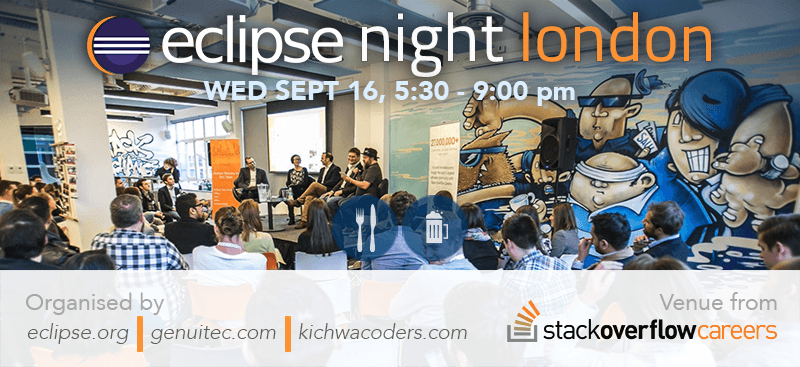
Eclipse Night London was an evening for bringing together various folks of the Eclipse ecosystem (new and old) to talk tech and share a bite & a beverage (or two). The ultramodern offices of Stackoverflow Careers in London provided a great setting for the event. The relentless rain didn’t put off the attendees, some of whom were coming from as far afield as Cambridge and Oxfordshire.
Emanuel of Genuitec & Tracy of KichwaCoders ready to kick things off
First up was Ian Mayo who demoed Debrief, a maritime analysis workbench based on Eclipse RCP that is used by the royal navy. Deftly going from slick demo to slick demo it was great to learn and watch. The best bit was saved for last, watching the visualisation of the manoeuvering of two submarines onscreen.
Matt Gerring talked to us about how Eclipse is used at Diamond Light Source, the synchrotron in Oxfordshire dubbed the UK’s biggest experiment. The experimental facility at Diamond handles tremendous amounts of data daily and the DAWNSci project is the workbench that helps the scientists make sense of it. Despite some tech gremlins interfering, Matt was able to talk us through it and demo some of the powerful capabilities of DAWNSci, which build on lots of existing projects in Eclipse and is part of the Eclipse Science Working Group.
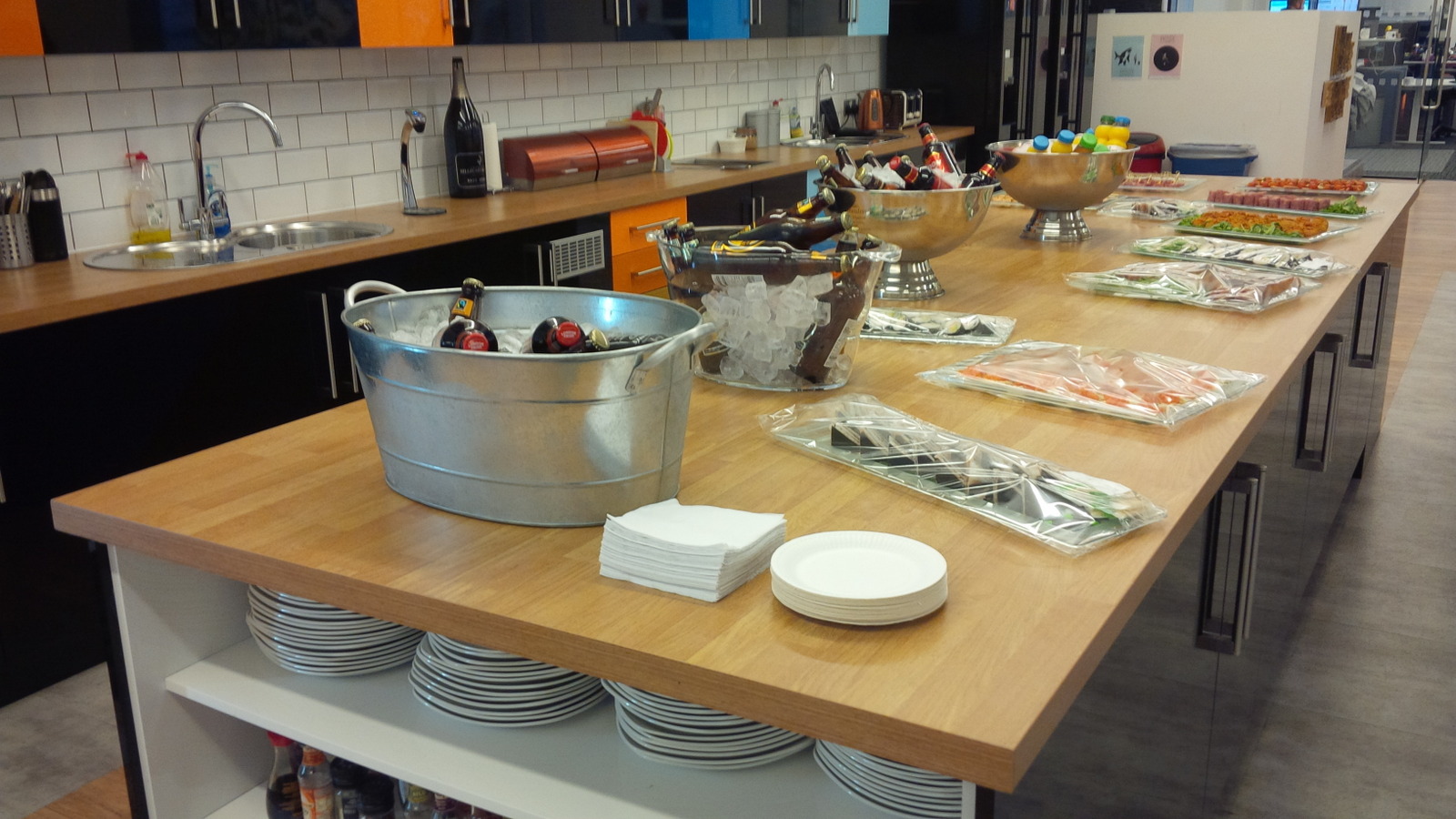
Genuitec were the main sponsors of the evening and my co-host Emanuel Darlea spoke about the Eclipse based projects they have to offer, including MyEclipse and Secure Delivery Centre. That led nicely into the break and time for more refreshments and chatting.
Mmm sushi
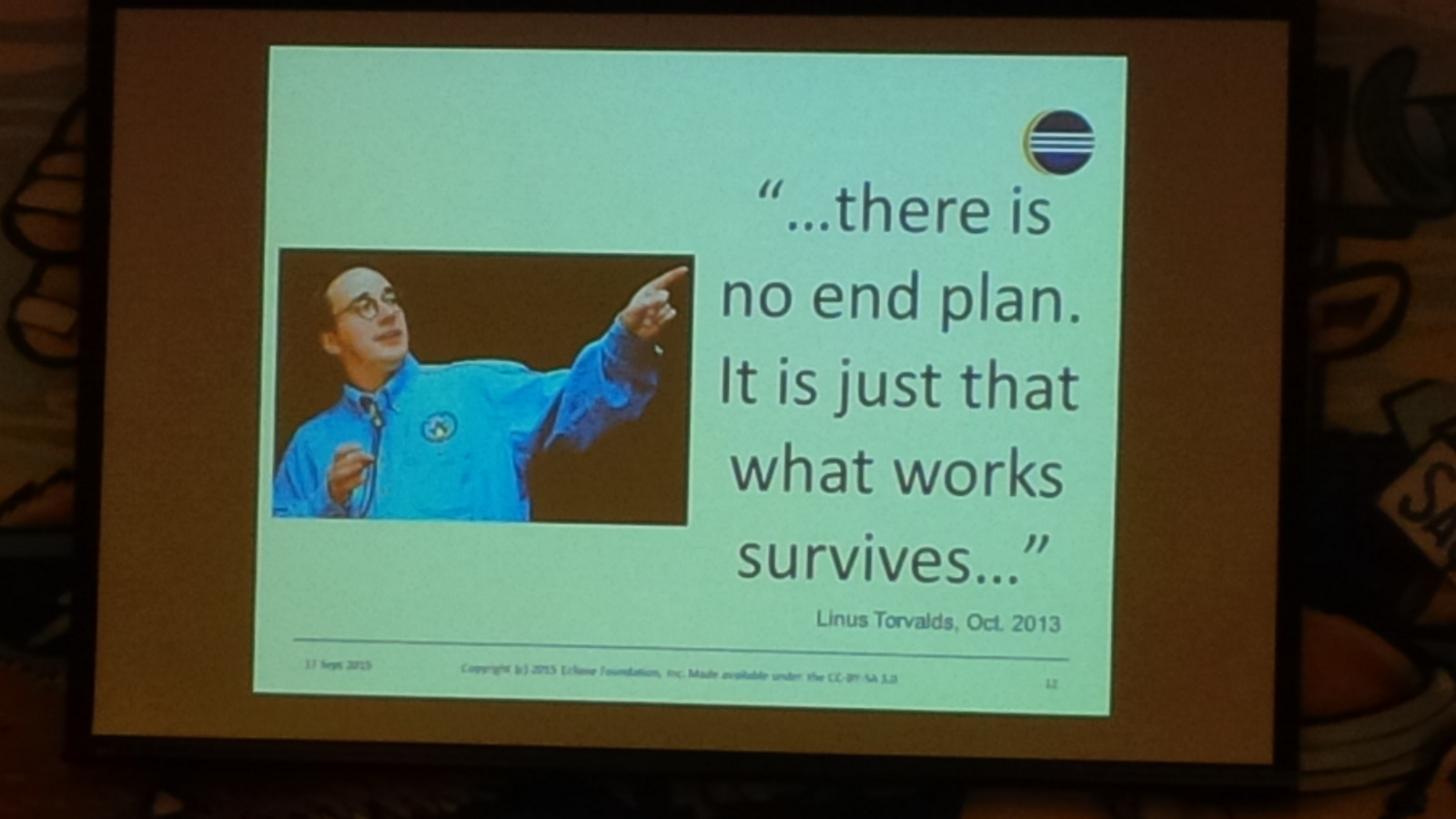
Mike Milikovich, Executive Director of the Eclipse Foundation gave us an awesome overview of how Eclipse has evolved over the years, and how it continues to do so, now including Cloud and IoT platforms under its wide umbrella. It was really interesting hearing about the ‘survival of the fittest’ approach to open source and how this means the Foundation have no idea what comes next – it is whatever technology evolves best. Also Mike talked about how the biggest challenge to Eclipse is not another IDE or technology or foundation but simply complacency, by its members and users.
As if on cue, Alex Blewitt took the stage and inspired us all with his tongue-in-cheek presentation ‘How to write bad eclipse plugins‘. It was a terrific talk, full of energy, humour and insights into the bad bad practices we may sometimes slip into (but my plug-ins are more important than all the others..). It rounded of the evening in grand style and the presentation is worth checking out here, plus for a little taste of the talk on the night watch this.
By the end the room was buzzing, conversations flowed, more drinks were had, and eventually relocated to the pub downstairs. Stackoverflow offices were great, especially thanks to Natalie and her team who made us feel very welcome and ensured we had everything we needed on the evening. Many thanks to the folks who braved the rain to make it such a great event. Also thanks to the folks behind the scenes who made it happen: Tim & Sara from Genuitec and Jelena from Eclipse Foundation. It was a great evening for learning, sharing and enjoying good company. We’ll definitely be doing it again, join the Eclipse London User Group so we’ll let you know when.
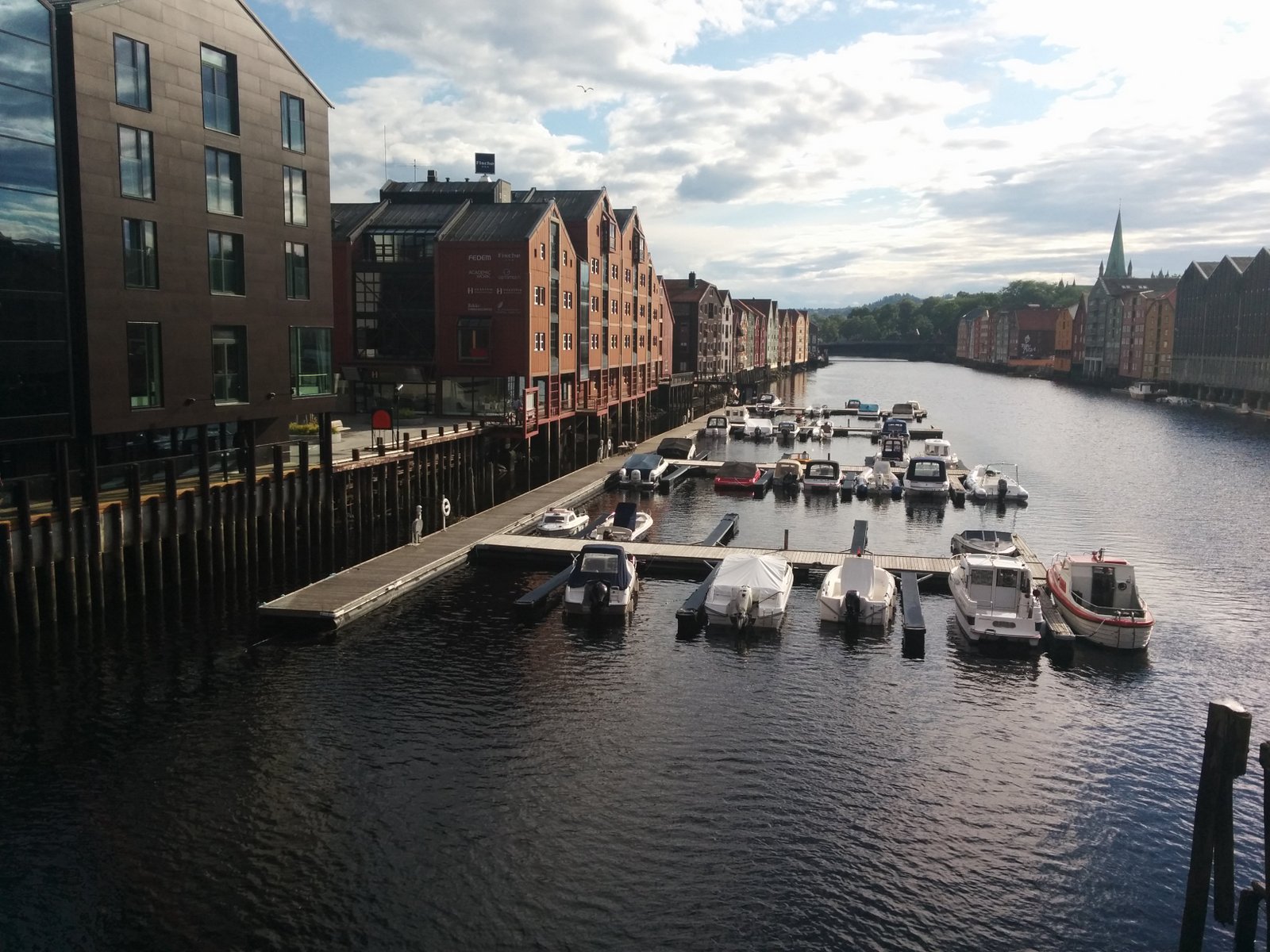
Trondheim is tiny – at least to someone who lives in the shadow of London. So it was eye-opening for me, over four short days, to immerse myself in the fully formed tech scene of a region with a population 2% of that of London’s.
Ocean Space Research at Marintek
Ocean Space – I’d never heard the term before so it took me a moment to understand, that as opposed to outer space, this refers to the vast unexplored regions below the sea-line which we know less about than the surface of the moon. This is the heart of what Marintek do, and they were the hosts for the science working group meeting I was there for, but more about that later. The work done at Marintek is fascinating, but I will limit it to my 3 highlights:
Ocean labs and towing tanks are used for simulating conditions at sea, for example, oil rigs in the ocean. Yes the tanks are bigger than swimming pools. Yes they could generate all sorts of waves. No we couldn’t swim in them (or take selfies for that matter).
Floating wind turbines – I heard about them first here – harnessing wind power in the deep sea, amazing!
Cavitation tunnels – first the science lesson: air bubbles under pressure actually boil at low temperatures, causing implosions aka cavitation – how great is that? So great, I’m linking to this video again so you don’t miss it. Well, actually it’s not so great for badly designed propellers. Luckily this can all be tested for in a cavitation tunnel.
The icing on the cake for the visit was hearing about the plans for a bigger and better ocean space centre, opening in 2020 (assuming the politics all works out as planned). Who knows what else the great depths have to offer mankind?



 Kichwa Coders